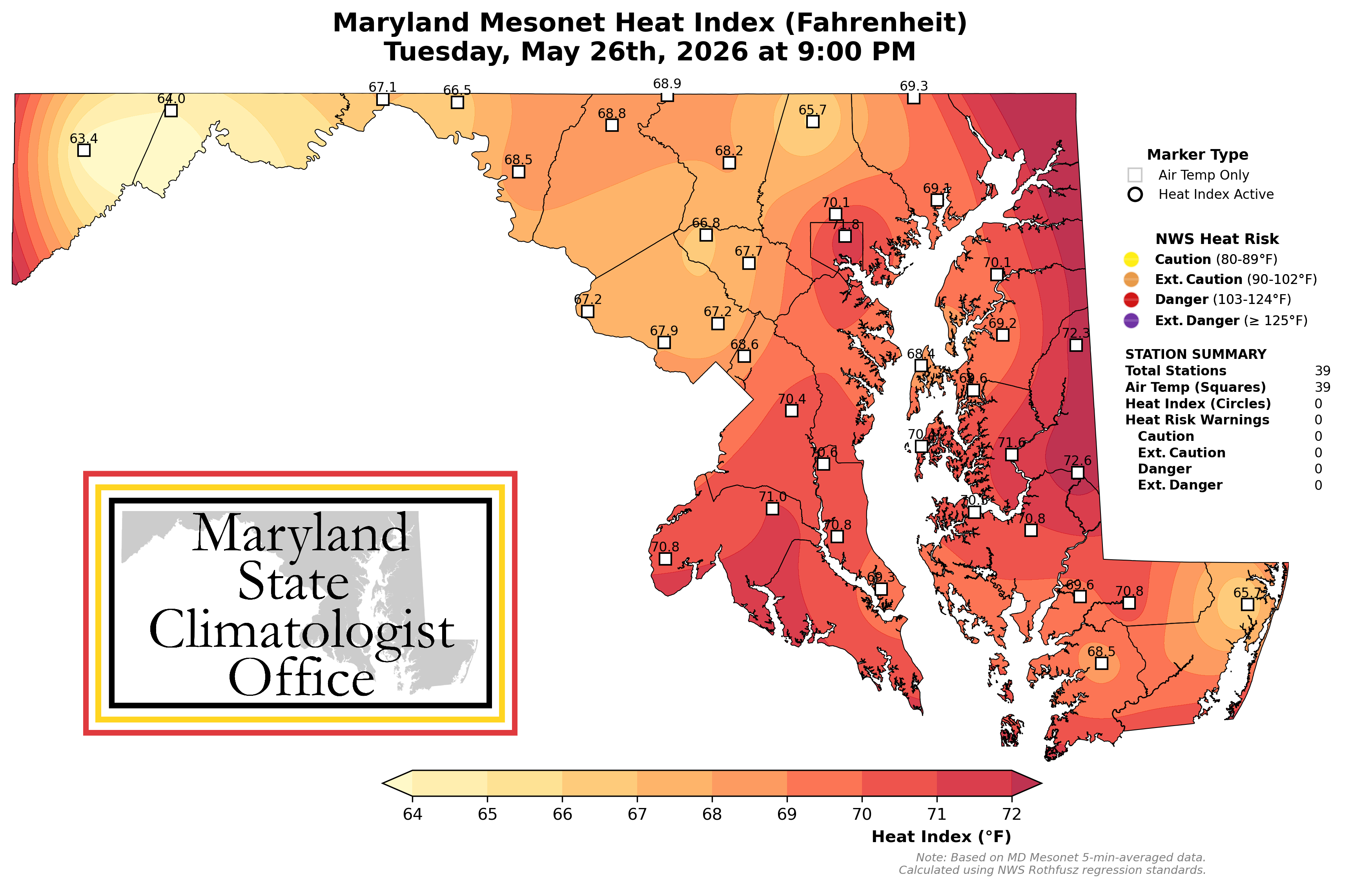
Understanding Heat Index & Heat Stress (NOAA 2026)
The Heat Index or "Apparent Temperature": The heat index is a measure of how hot it really feels when relative humidity is factored in with the actual air temperature. When the body gets too hot, it relies on the evaporation of sweat to cool itself down. However, when the surrounding air is laden with high moisture levels (high relative humidity), the rate of sweat evaporation from the skin drops drastically. As a result, the body cannot shed internal heat effectively, making you feel significantly warmer than the dry thermometer reading indicates.
Prolonged exposure to high heat index thresholds can quickly become dangerous and lead to severe, heat-related medical emergencies such as heat cramps, heat exhaustion, and ultimately heatstroke. Heatstroke is a life-threatening condition that occurs when the body's internal core temperature rises rapidly above 103°F, overwhelming the central nervous system and metabolic functions. Recognizing early signs of physical stressincluding dizziness, heavy sweating, confusion, and nauseais key to mitigating extreme environment threats.
For agricultural operations, construction crews, outdoor workers, and outdoor sports and activities monitoring real-time heat indices provides essential guidance for implementing mandatory hydration intervals, shaded rest cycles, and adjusting labor distribution strategies to avoid critical hyperthermia thresholds.